

Let's Talk Gas Explosions
There was a gas explosion in Virginia earlier this week. Let's talk about it.

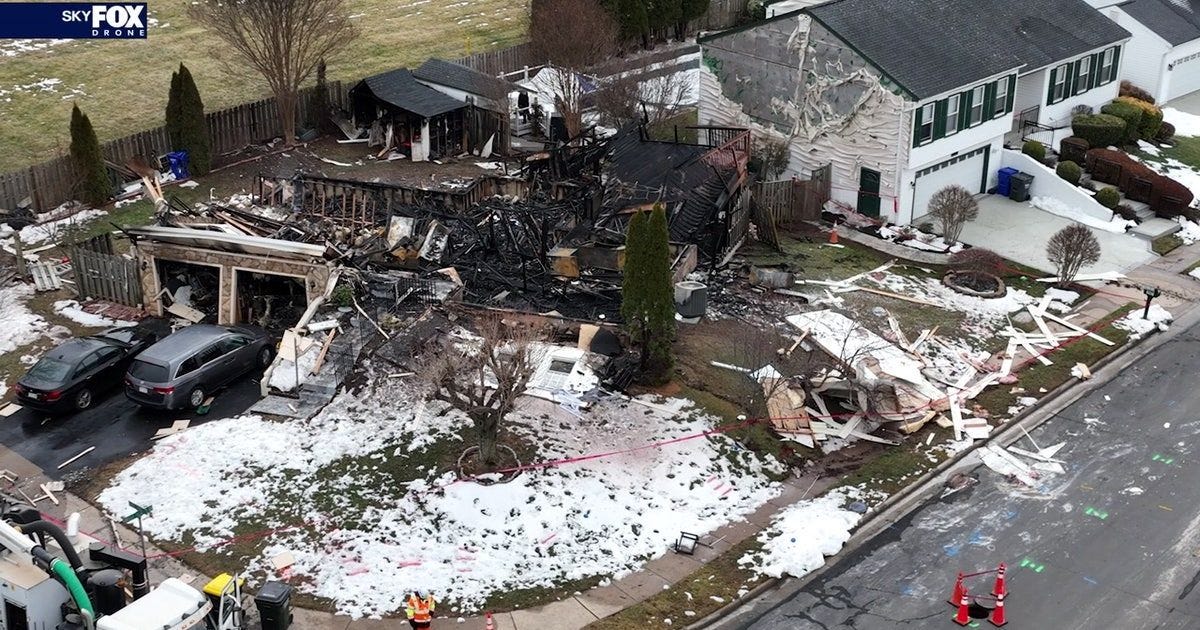
This is a photo from a natural gas house explosion (kind of) in Virginia earlier this week. There were a few injuries associated with it, none of them life threatening.
This is an example of an upper explosive limit gas explosion and there are a number of things in the photo that provide evidence for that.
The first one I want to talk about is the amount of post blast fire damage. Now I know what you’re thinking, gas explosions have fire, that’s kind of the whole thing. And yes, you are correct, sort of. Gas explosions are propagated by a flame front through the explosive mixture of gas. The thing is, catching things that aren’t already vaporized on fire is a time sensitive process. Usually the flame front of a gas explosion is moving too quickly for other combustibles to vaporize into flammable gases. This is where the upper explosive limit comes in. When the flame front travels through a gas cloud that is closer to the upper explosive limit, the consumption of the gas vapors is inefficient because of the lack of available oxygen. This leaves leftover gas vapors that can continue to burn as more oxygen flows into the area. This does provide extra heat and time to ignite other combustibles in the area meaning you generally will have a lot of leftover fire burning post blast.
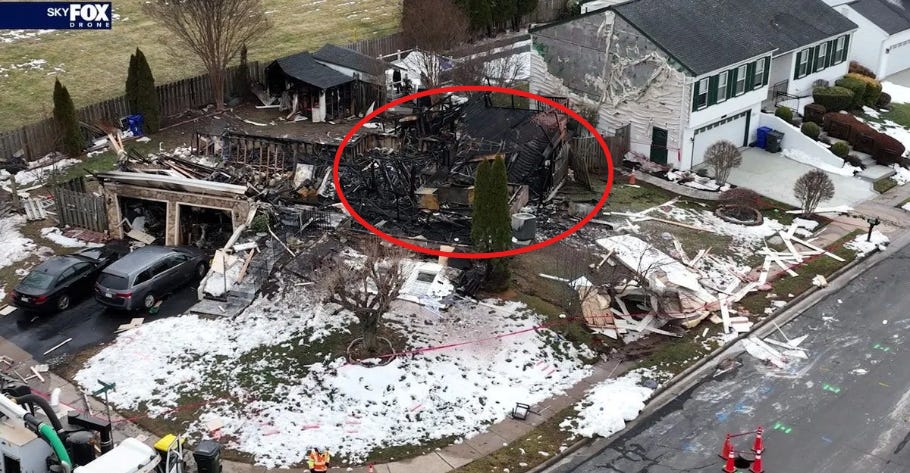
The other indication that this was an upper explosive limit explosion, the relative lack of fractured material, isn’t technically tied only to upper explosive limit explosions but is an indication that the explosion was not efficient. What I mean by that is if you look at this home, while destroyed, it is still relatively recognizable as a house. There are interior walls still standing, the garage walls are in good shape, the exterior wall closest to the camera is in one solid piece just pushed over, etc. The lack of shattering from this explosion shows that we were far from our stoichiometric mixture. That inefficiency means the power of the overpressure inside the house would be lessened leading to the pushing of debris vs fracturing of material. It finds the weakest points and can break those apart but does not have the explosive force to break apart stronger joints which is why the front wall came apart in one piece. The connections between the exterior walls around it and the roof are weaker than the internal connections of the studs inside the walls covered by the paneling and drywall.
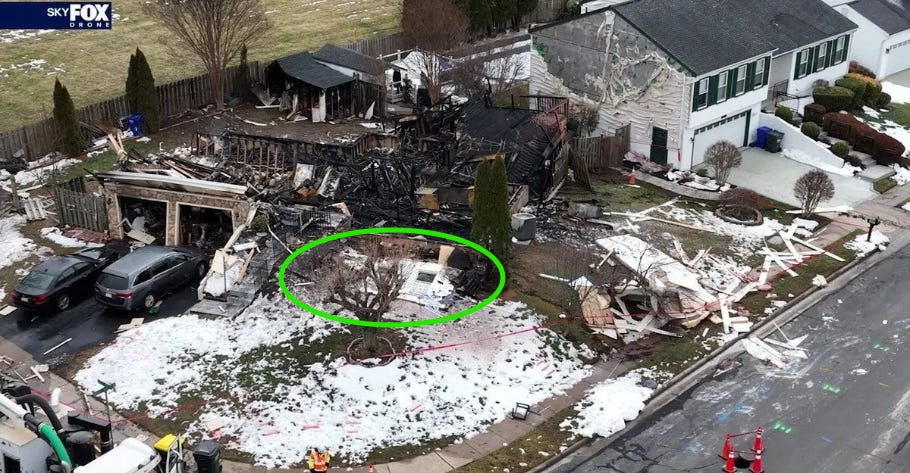
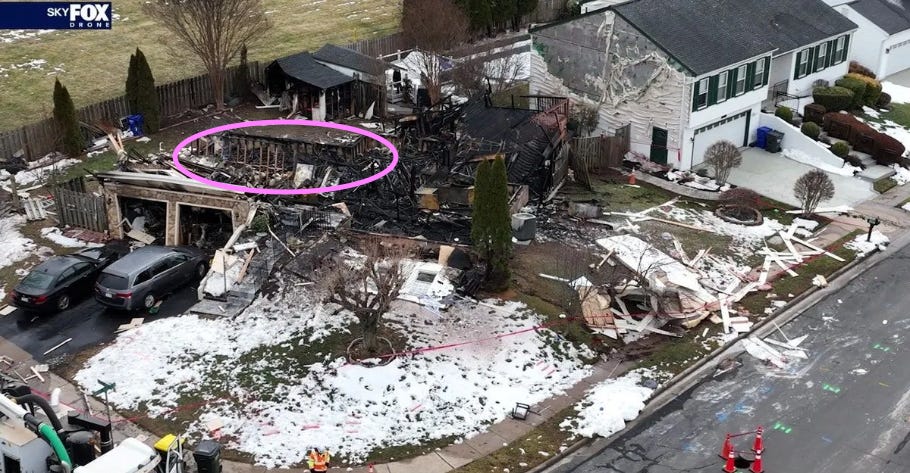
You can also tell this was natural gas as the majority of the damage is up high in comparison. Natural gas is lighter than air, your damage will be centered higher and diminish the lower you go. You can see the tops of the studs in the back portion of the house are more burnt at the tops than the bottoms.
Now the reason I said this was a house explosion (kind of) is because this gas leak did not occur in the house. It occurred in a gas line below the house (maybe) and leaked through the ground into the home. There were several houses around this one that also had explosive or nearing explosive concentrations of natural gas. Officials have still not located the exact location of the leak underground and testing is ongoing to find it.